Annapurna Base Camp Trek from Pokhara

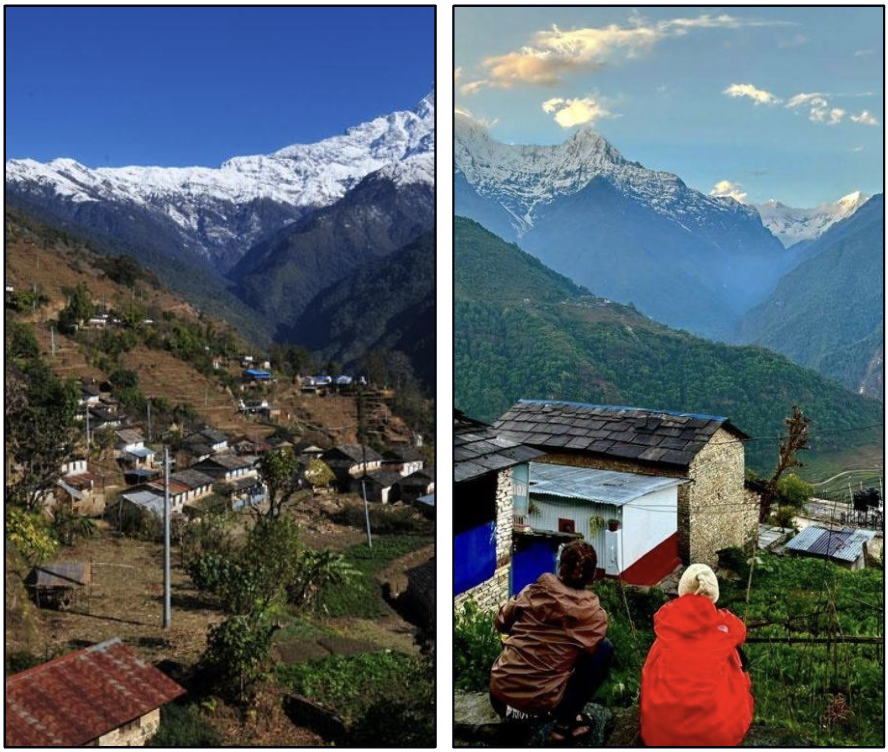
The Annapurna Base Camp Trek from Pokhara is one of the most accessible high-altitude trekking adventures in Nepal. Starting from the lakeside city of Pokhara, the journey combines scenic mountain roads, traditional Gurung villages, rhododendron forests, waterfalls, suspension bridges and dramatic Himalayan landscapes before reaching Annapurna Base Camp at 4,130 meters. Unlike trekking destinations that require a domestic mountain flight, the Annapurna Base Camp route can be reached from Pokhara by road before beginning the walking section. This makes the trek convenient for travelers who want a Himalayan experience without adding a flight to the itinerary. HikeOnTreks can help organize the trek from Pokhara with transportation, trekking arrangements, permits, accommodation, guide support and itinerary planning according to your available time and group size.
Contact014514568 (LandLine)
9851237317 (WhatsApp)
9851237317 (Viber)
LocationBhagawanbahal, Kathmandu, Nepal.
Mail us athikeontrek@gmail.com

Annapurna Base Camp Trek from Pokhara

The Annapurna Base Camp Trek from Pokhara offers a scenic Himalayan journey from the city of lakes to the heart of the Annapurna Sanctuary. Here are the essential details you should know before starting the trek:

Starting Point: Pokhara, Nepal
Trek Region: Annapurna Conservation Area
Highest Elevation: 4,130 meters at Annapurna Base Camp
Duration: Around 6–9 days, depending on the selected route and pace
Difficulty: Moderate to challenging
Accommodation: Teahouses and mountain lodges
Transportation: Jeep or other road transportation between Pokhara and the trailhead
Main Route: Pokhara → Ghandruk → Chhomrong → Bamboo → Deurali → Machhapuchhre Base Camp → Annapurna Base Camp
Major Peaks: Annapurna I, Annapurna South, Hiunchuli and Machhapuchhre
Best Trekking Seasons: Spring and autumn
Starting and Ending Point: Pokhara
Trekking Support: Guide and other services can be arranged through HikeOnTreks
Trip Type: Private, group or customized departures

The trekking duration is flexible. Travelers with limited time can choose a shorter itinerary, while those who want a more relaxed experience can add overnight stops or attractions such as Ghandruk, Jhinu Danda or Poon Hill. HikeOnTreks can customize the route according to your available days, transportation preference and trekking requirements.

Related: Annapurna Base Camp Trek

Why Start the Annapurna Base Camp Trek from Pokhara?

Pokhara is the natural gateway to the Annapurna region. The city provides easy access to the mountain trails while also offering comfortable hotels, restaurants, trekking shops and transportation services. Starting your Annapurna Base Camp Trek from Pokhara has several practical advantages. First, you do not need to travel back and forth from Kathmandu during the trekking section. Second, the road journey from Pokhara takes you directly toward the trailhead. Third, Pokhara is an excellent place to spend a day before or after trekking. The route also provides a gradual change of scenery. The journey begins around the lower hills and villages before moving through forests and alpine landscapes toward the high Himalayan basin. The official Nepal tourism information also identifies Pokhara as a major gateway for treks in the Annapurna region, including Annapurna Base Camp.

Annapurna Base Camp Trek from Pokhara Distance

The Annapurna Base Camp Trek from Pokhara distance depends on the exact roadhead and walking route selected. It is important to understand that there is no continuous road from Pokhara directly to Annapurna Base Camp. Travelers first drive toward a trailhead such as Ghandruk or another accessible settlement and then continue on foot.
 

A typical journey includes approximately:

  • Pokhara to the roadhead: around 60–70 km depending on the selected access point and route
  • Trekking distance: approximately 50–60 km for a common return route, although the actual distance changes according to itinerary
  • Maximum altitude: 4,130 m at Annapurna Base Camp

Government tourism information lists the Pokhara–Ghandruk road distance at approximately 67 km, while the trail continues from the mountain villages toward the base camp. Therefore, when people search for the Pokhara to Annapurna Base Camp distance, they should distinguish between road distance and total trekking distance.

Related:  Annapurna Basecamp Trek Via Poonhill

Pokhara to Annapurna Base Camp Distance by Road

The Pokhara to Annapurna Base Camp distance by road can be confusing because Annapurna Base Camp itself is a trekking destination rather than a road-accessible destination. You can drive from Pokhara toward the trailhead, but the final section must be completed on foot. A typical journey starts with a road drive from Pokhara toward Ghandruk or another suitable trailhead, depending on the selected itinerary and current road conditions. From the roadhead, trekkers continue through scenic mountain villages and forest trails toward Chhomrong, Sinuwa, Bamboo, Deurali and Machhapuchhre Base Camp before reaching Annapurna Base Camp.

The road section can take several hours depending on the starting point, traffic and road conditions. Once the walking section begins, the journey becomes a combination of gradual climbs, stone steps, suspension bridges, forests and mountain paths. It is also important to distinguish between road distance and total trekking distance. The road does not continue all the way to Annapurna Base Camp, so there is no single road distance from Pokhara directly to ABC. The final approach to the base camp is accessible only by trekking. For travelers planning an Annapurna Base Camp Trek from Pokhara, HikeOnTreks can arrange suitable transportation from Pokhara to the trailhead and help select an itinerary based on available time, road conditions and trekking preferences.

Pokhara to Annapurna Base Camp by Car

Travelers often search for Pokhara to Annapurna Base Camp by car, but a car cannot take you all the way to the base camp. Instead, HikeOnTreks can arrange road transportation from Pokhara to the appropriate trailhead. From there, you continue your journey by trekking. Depending on road conditions and the chosen route, transportation can be arranged by:

  • Private jeep
  • Shared jeep
  • Local transportation
  • Other suitable road vehicles

Private transportation provides more flexibility for departure time and stops, while shared transportation can reduce the overall travel cost. Road conditions in the Himalayan foothills can change because of weather and maintenance, so the final driving point and travel time should be confirmed before departure.

Related : Khopra Danda Trek

Annapurna Base Camp Trek from Pokhara Itinerary

A comfortable itinerary gives trekkers enough time to enjoy the villages and landscapes rather than treating the journey as a race to base camp. Below is a practical Annapurna Base Camp Trek from Pokhara itinerary that can be customized by HikeOnTreks.

Day 1: Pokhara to Ghandruk and Trek to Chhomrong

Your journey begins in Pokhara with a morning road transfer toward the Annapurna foothills. Depending on road conditions and the selected trailhead, you continue toward Ghandruk and begin trekking. Ghandruk is a well-known Gurung settlement with traditional houses and spectacular mountain scenery. From the village, the trail continues toward Chhomrong.

Overnight: Chhomrong
Altitude: approximately 2,170 m

Day 2: Chhomrong to Sinuwa and Bamboo

After breakfast, the trail descends and crosses the Chhomrong Khola before climbing through forest. You pass Sinuwa and continue toward Bamboo. The trail becomes increasingly surrounded by dense vegetation, including bamboo and rhododendron forests.

Overnight: Bamboo
Walking time: approximately 5–7 hours

Day 3: Bamboo to Deurali

The trail follows the Modi Khola valley through forested terrain.

You pass Dovan and Himalayan before reaching Deurali. As you gain elevation, the vegetation becomes thinner and the mountain environment more alpine.

Overnight: Deurali
Altitude: approximately 3,230 m

Day 4: Deurali to Machhapuchhre Base Camp and Annapurna Base Camp

This is one of the most anticipated days of the trek. From Deurali, you continue through the Modi Khola valley toward Machhapuchhre Base Camp. The surrounding mountains become increasingly dramatic. From MBC, the trail continues toward Annapurna Base Camp. Finally, you arrive at Annapurna Base Camp at approximately 4,130 m. At the sanctuary, you are surrounded by enormous Himalayan peaks including Annapurna I, Annapurna South, Hiunchuli and Machhapuchhre.

Overnight: Annapurna Base Camp or nearby lodge
Maximum altitude: 4,130 m

Day 5: Annapurna Base Camp to Bamboo

Wake early if weather conditions allow and enjoy the mountain landscape around the sanctuary. After breakfast, begin descending along the same general valley route. The descent is usually faster than the ascent, although the stone steps and uneven terrain still require care.

Overnight: Bamboo

Day 6: Bamboo to Jhinu Danda

Continue downhill through the forest toward Chhomrong and Jhinu Danda. Jhinu Danda is particularly popular because of its natural hot springs. Depending on the itinerary and trail conditions, trekkers can enjoy a relaxing visit to the hot spring.

Overnight: Jhinu Danda

Day 7: Jhinu Danda to Pokhara

After breakfast, complete the final walking section toward the roadhead. From there, a vehicle takes you back to Pokhara. The return to Pokhara marks the end of your Annapurna Base Camp Trek from Pokhara. For travelers with limited time, HikeOnTreks can also discuss shorter itineraries based on fitness, road conditions and trekking experience.

Annapurna Base Camp Trek from Pokhara Price

The Annapurna Base Camp Trek from Pokhara price depends on the number of travelers, itinerary length, transportation, guide and porter arrangements, accommodation and services included in the package. Current 2026 market information shows that guided ABC treks from Pokhara can vary considerably by group size and service level, with published package prices ranging from roughly the mid-hundreds of US dollars to above USD 1,000 for more comprehensive or private arrangements. For this reason, HikeOnTreks recommends confirming the exact package price before booking rather than relying on a fixed online figure.

What Can Affect the Trek Price?

Several factors can influence the final cost of your Annapurna Base Camp trek:

  • Number of travelers: Group size can affect transportation and guide costs.
  • Trek duration: Longer itineraries require additional accommodation, meals and guide services.
  • Transportation: Private jeep and shared transportation have different costs.
  • Guide and porter services: Adding a porter or private guide changes the package price.
  • Accommodation: Teahouse and lodge prices can vary depending on location and facilities.
  • Meals: The number and type of meals included in the package can affect the total cost.
  • Permits: Required trekking permits and conservation-area fees are part of the overall trip budget.
  • Season: Prices for transportation and accommodation may vary during busy trekking seasons.
  • Private or group departure: A private departure generally provides greater flexibility, while a group trek can help distribute certain costs.

What Should You Budget For?

In addition to the main trekking package, travelers should consider personal expenses such as snacks, drinks, hot showers, Wi-Fi, charging, tips, travel insurance and personal trekking equipment. Because the Annapurna Base Camp Trek from Pokhara price depends on the exact services selected, HikeOnTreks can provide a current quotation based on your group size, preferred itinerary, transportation and required services. Contact HikeOnTreks to plan your Annapurna Base Camp Trek from Pokhara and get a package tailored to your travel requirements.

What Is Included in the HikeOnTreks ABC Trek Package?

The exact inclusions can be customized, but a typical guided arrangement may include:

  • Trekking guide
  • Transportation from Pokhara to the trailhead
  • Transportation back to Pokhara
  • Trekking permits where specified
  • Teahouse accommodation
  • Meals according to the selected package
  • Basic trekking assistance
  • Route planning
  • Trekking information and preparation guidance
  • Emergency coordination support
  • HikeOnTreks travel assistance

Always check the final quotation because inclusions can differ between private, group and customized departures.

What Is Not Included?

Unless specifically added to your package, travelers should normally budget separately for:

  • Personal trekking equipment
  • Travel insurance
  • Personal expenses
  • Snacks and drinks
  • Hot showers
  • Wi-Fi and charging fees
  • Tips
  • Emergency evacuation expenses
  • Personal medication
  • Expenses caused by itinerary changes
  • Services not specifically listed in the booking confirmation

Travel insurance with appropriate trekking and emergency evacuation coverage is strongly recommended for high-altitude trekking.

Annapurna Base Camp Trek Highlights

The Annapurna Base Camp Trek from Pokhara is not only about reaching the base camp. The route takes you through traditional villages, lush forests, mountain valleys and dramatic Himalayan landscapes. Along the way, you experience a changing environment as the trail gradually climbs from the lower hills toward the high-altitude Annapurna Sanctuary.
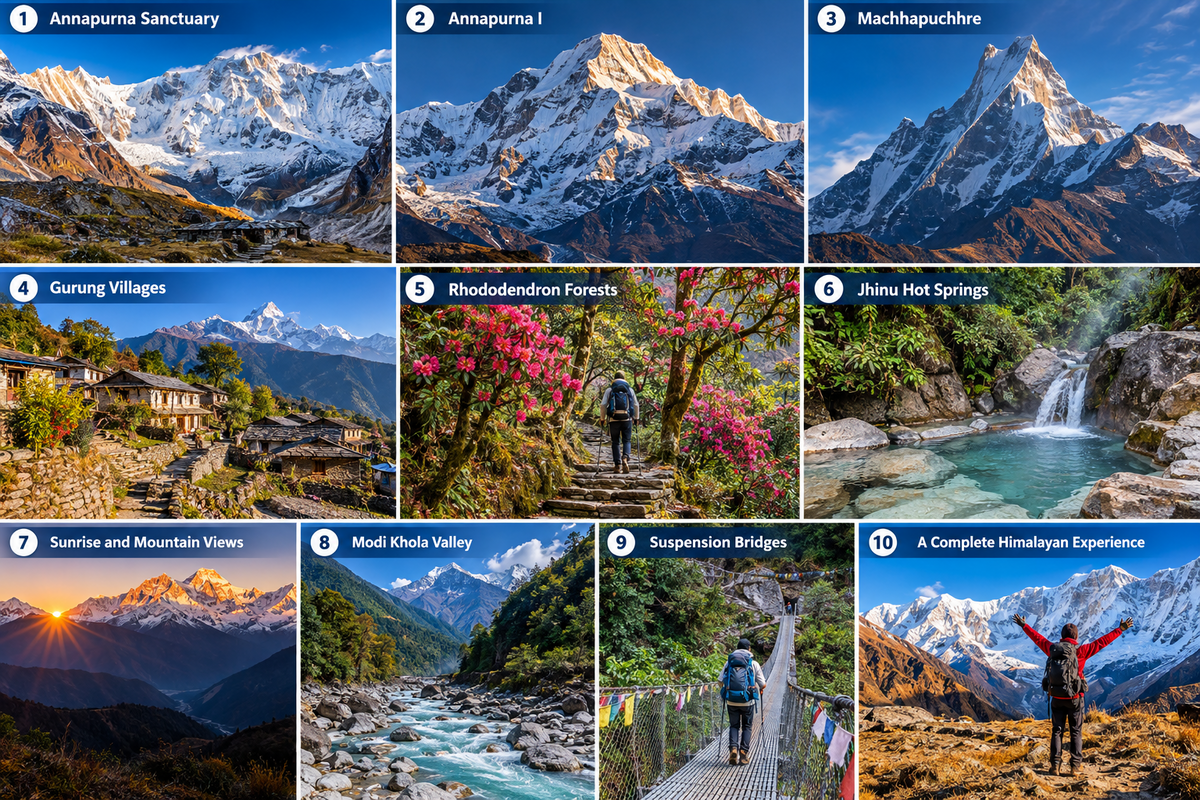
1. Annapurna Sanctuary

One of the main attractions of the trek is the Annapurna Sanctuary, a spectacular natural amphitheater surrounded by towering Himalayan peaks. As you approach the sanctuary, the landscape becomes increasingly dramatic, creating an unforgettable trekking experience.

2. Magnificent Annapurna I

At 8,091 meters, Annapurna I is one of the most impressive mountains visible from the region. The mountain and its surrounding peaks create spectacular views as you approach Annapurna Base Camp.

3. Iconic Machhapuchhre

Machhapuchhre, also known as Fishtail Mountain, is famous for its distinctive double-peaked shape. The mountain can be seen from several sections of the trail and becomes particularly impressive near Machhapuchhre Base Camp.

4. Traditional Gurung Villages

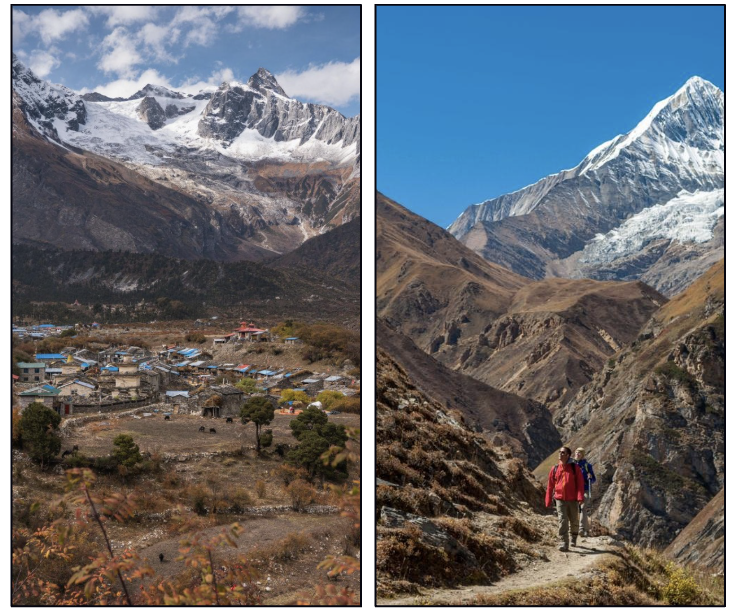
The trail passes through settlements such as Ghandruk and Chhomrong, where travelers can experience traditional mountain culture, local architecture and warm village hospitality. These communities add a cultural dimension to the Himalayan journey.

5. Colorful Rhododendron Forests

Lower sections of the trail pass through beautiful rhododendron and mixed forests. During spring, blooming rhododendrons add vibrant colors to the trekking route while providing a scenic contrast to the surrounding mountains.

6. Peaceful Jhinu Danda and Natural Hot Springs

Jhinu Danda is a popular stop on the return journey. The area is known for its natural hot springs, where trekkers can relax after several days of walking and enjoy the surrounding forested landscape.

7. Spectacular Sunrise and Himalayan Views

Early mornings along the route can offer beautiful views of the surrounding peaks. Clear weather may reveal Annapurna I, Annapurna South, Hiunchuli, Machhapuchhre and other Himalayan mountains, making sunrise and morning viewpoints memorable parts of the trek.

8. Scenic Modi Khola Valley

The trail follows sections of the Modi Khola valley, passing through forests, waterfalls, rocky landscapes and narrow mountain paths. The changing scenery makes the journey itself as rewarding as reaching the base camp.

9. Suspension Bridges and Mountain Trails

Several suspension bridges and stone-stepped sections add variety to the route. Crossing rivers and walking through the forested mountain trails gives trekkers a closer connection with the natural landscape of the Annapurna region.

10. A Complete Himalayan Experience

From the relaxed atmosphere of Pokhara to the high-altitude surroundings of Annapurna Base Camp, the trek combines nature, culture, adventure and mountain scenery in one journey. This combination makes the Annapurna Base Camp Trek from Pokhara a memorable choice for travelers exploring the Annapurna region.

Annapurna Base Camp Trek from Pokhara Map

The Annapurna Base Camp Trek from Pokhara map helps trekkers understand how the journey progresses from the lakeside city of Pokhara into the heart of the Annapurna region. Since Annapurna Base Camp is not directly accessible by road, the journey combines road transportation with several days of trekking.

The general route can be understood as:

Pokhara → Ghandruk/Trailhead → Chhomrong → Sinuwa → Bamboo → Dovan → Deurali → Machhapuchhre Base Camp → Annapurna Base Camp

The return generally follows the Modi Khola valley before descending toward Jhinu Danda and the roadhead. For the Annapurna Base Camp Trek from Pokhara map, trekkers should use the exact route map supplied by their trekking agency because road access and the selected starting point can vary. A customized HikeOnTreks route can also be planned around your available trekking days.

Pokhara to Annapurna Base Camp Helicopter Price

The Pokhara to Annapurna Base Camp helicopter price varies depending on the operator, group size, season and whether you choose a shared or private flight. A helicopter option is suitable for travelers who want to experience Annapurna Base Camp without completing the full multi-day trek.

Flight Option Indicative Price
Shared Helicopter Around USD 550 per person
Private Charter Around USD 2,400 per charter

Prices are indicative and may change due to weather, availability, passenger numbers and operator charges. Contact HikeOnTreks for the latest helicopter availability and quotation.

Best Time for Annapurna Base Camp Trek from Pokhara

The best time for Annapurna Base Camp Trek from Pokhara is generally during spring and autumn, when the weather is more favorable and mountain visibility is often better. However, each season offers a different trekking experience.

Spring: March to May

Spring brings warmer days, clear mountain scenery and colorful rhododendron forests. April and May are particularly attractive for trekkers who want to enjoy both Himalayan views and blooming flowers.

Autumn: September to November

Autumn is another popular trekking season. After the monsoon, the trails are generally greener and mountain views can be clear. October and November are commonly preferred months for the ABC trek.

Winter: December to February

Winter brings colder temperatures, especially at higher elevations. Snow can occur around Annapurna Base Camp, but clear days can still provide excellent mountain views. Proper winter clothing and preparation are important.

Monsoon: June to August

The monsoon season brings frequent rainfall, wet trails and cloudy mountain views. Landslides and slippery sections can also affect road and trail conditions. Experienced trekkers can still travel with suitable preparation and a flexible itinerary.

Why Book the Annapurna Base Camp Trek with HikeOnTreks?

HikeOnTreks is a Nepal-based travel and trekking company providing trekking and travel arrangements in Nepal. For an Annapurna Base Camp Trek from Pokhara, the team can help coordinate the practical parts of the journey, including transportation, trekking arrangements, itinerary planning and local assistance. Instead of choosing a fixed itinerary solely because it appears online, travelers can discuss their available time and build a route that matches their needs. Whether you want a standard group trek, private trip or customized ABC itinerary, the route can be planned around your travel schedule.

Frequently Asked Questions

1. How much does the Annapurna Base Camp Trek from Pokhara cost?

The price depends on the group size, trek duration, transportation, accommodation, meals, permits and included services. Contact HikeOnTreks for a current quotation.

2. What is the Annapurna Base Camp Trek from Pokhara distance?

The total distance varies by route. A typical itinerary includes around 50–60 km of trekking, in addition to the road journey from Pokhara to the trailhead.

3. How far is Pokhara to Annapurna Base Camp by road?

You cannot drive directly to Annapurna Base Camp. You travel by road from Pokhara to a suitable trailhead and continue on foot.

4. Can I go from Pokhara to Annapurna Base Camp by car?

You can travel by car or jeep from Pokhara to the roadhead, but the final section to Annapurna Base Camp must be completed by trekking.

5. What is the Pokhara to Annapurna Base Camp helicopter price?

Helicopter prices vary by operator, season and passenger numbers. Contact HikeOnTreks for the latest shared or private flight quotation.

6. What is the highest point of the ABC Trek?

The highest point is Annapurna Base Camp at approximately 4,130 meters above sea level.

7. How many days are needed for the ABC Trek from Pokhara?

A typical trek takes around 6–9 days, depending on the route, walking pace and selected itinerary.

8. What is the best season for the Annapurna Base Camp Trek?

Spring and autumn are generally preferred for favorable trekking conditions and mountain views. Winter is colder, while monsoon brings more rain and clouds.

The Annapurna Base Camp Trek from Pokhara brings together mountain scenery, traditional villages, forests and a spectacular high-altitude destination in one journey. From the first road transfer out of Pokhara to the final approach through the Annapurna Sanctuary, every section offers a different Himalayan landscape. With the right itinerary, preparation and local support, the trek can be planned for both first-time trekkers and experienced hikers. If you are looking for the Annapurna Base Camp Trek from Pokhara price, distance, itinerary, transportation or helicopter option, contact HikeOnTreks for the latest package details and customized travel plan.

New & Rising Treks in Nepal for 2026: 7 Less-Crowded Routes to Explore

Nepal is best known for iconic trekking routes such as Everest Base Camp and the Annapurna Circuit, but 2026 is bringing growing interest in newer and less-crowded trails. Travelers looking beyond the busiest routes are discovering peaceful mountain villages, lesser-known viewpoints, glacial lakes, and remote Himalayan landscapes. From emerging trails around Pokhara to offbeat routes in other parts of Nepal, these new and rising trekking destinations in Nepal for 2026 offer a chance to experience the country’s mountains from a different perspective. Whether you are looking for a short adventure, a quieter trail, or a new destination to add to your Nepal itinerary, these routes are worth exploring.

Here are 7 rising trekking routes in Nepal for 2026 to consider for your next Himalayan adventure.

1. Dhorpatan Trek – A Rising Offbeat Himalayan Adventure

Dhorpatan is one of Nepal’s most interesting destinations for trekkers who want to explore beyond the popular Annapurna and Everest regions. Located in western Nepal, the area is known for its peaceful villages, forests, mountain views and the Dhorpatan Hunting Reserve. The trek reaches around 4,030 meters, making it an excellent choice for travelers looking for a more adventurous route without the crowds found on some of Nepal’s classic trails. What makes Dhorpatan interesting in 2026 is its combination of remote landscapes and cultural experiences. The route passes through rural communities where visitors can experience a quieter side of mountain life.

Why consider Dhorpatan in 2026?

  • Less crowded than major trekking regions
  • Beautiful Himalayan scenery
  • Rural villages and traditional culture
  • Suitable for trekkers looking for an offbeat experience
  • A different side of western Nepal

For travelers searching for off the beaten path treks in Nepal, Dhorpatan is worth considering.

Related: Dhorpatan Tour Package

2. Lapchi Valley Trek – A Hidden Route in the Himalayas

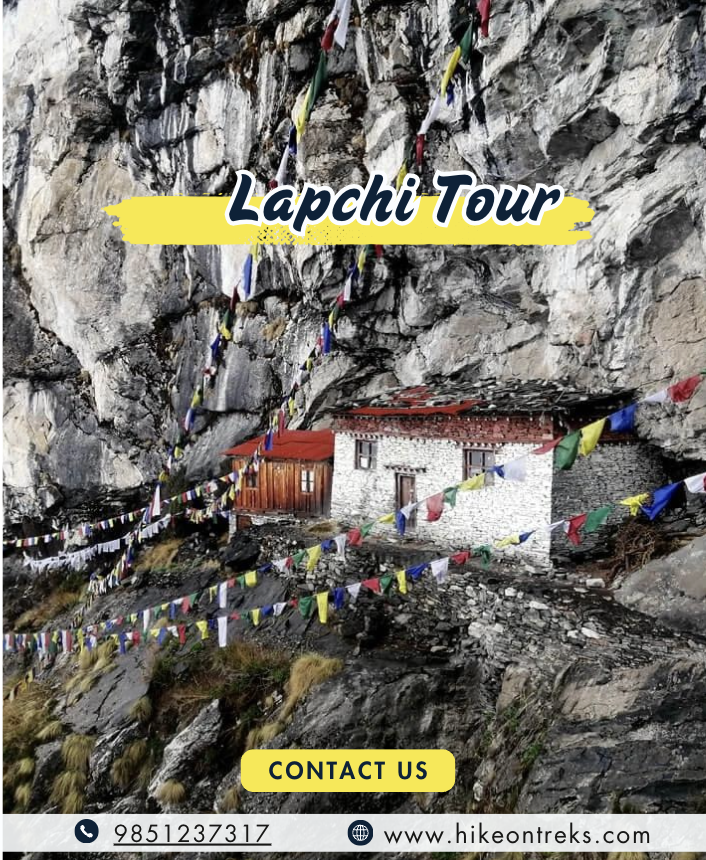
Lapchi Valley is one of the lesser-known trekking destinations in Nepal. Located toward the northern part of the country, this remote region offers dramatic mountain scenery, traditional settlements and a strong sense of isolation. Unlike popular trekking routes with busy tea houses and large numbers of trekkers, Lapchi provides a more remote Himalayan experience. The journey is particularly attractive to experienced trekkers who want to explore a destination that remains relatively unknown to international visitors.

Highlights of Lapchi Valley include:

  • Remote Himalayan landscapes
  • Traditional mountain communities
  • Peaceful trekking trails
  • Unique cultural experiences
  • Fewer trekkers compared with Everest and Annapurna

For people looking for hidden trekking routes in Nepal, Lapchi Valley can be an exciting option for 2026.

Related: Lapchi Tour Package

3. Muktinath Tour – A Different Way to Experience Mustang

Muktinath is already an important pilgrimage destination, but the journey to Muktinath can also be an excellent Himalayan travel experience. Located at approximately 3,710 meters, Muktinath combines natural scenery with religious and cultural significance. The surrounding Mustang landscape features dry mountains, traditional villages and dramatic Himalayan terrain. A Muktinath trip can also be combined with exploration of nearby Mustang areas, making it suitable for travelers who want mountain scenery without committing to a long high-altitude trek.

Why Muktinath is gaining attention:

  • Important Hindu and Buddhist pilgrimage site
  • Unique Mustang landscapes
  • Accessible by road and trekking routes
  • Suitable for shorter Himalayan trips
  • Strong cultural and religious importance

For visitors searching for short treks in Nepal in 2026, a carefully planned Muktinath journey can be an appealing alternative to longer trekking itineraries.

Related: Muktinath Tour Package

4. Annapurna Base Camp via Poon Hill – A Classic Route with a Different Start

Annapurna Base Camp is not a new destination, but Annapurna Base Camp via Poon Hill offers a different trekking experience compared with the standard ABC itinerary. The route combines the famous sunrise viewpoint of Poon Hill with the journey toward Annapurna Base Camp. Trekkers can experience rhododendron forests, mountain villages, terraced landscapes and close-up views of the Annapurna range. It is particularly attractive for travelers who want to experience two well-known Himalayan highlights in one journey.

Route highlights include:

  • Poon Hill sunrise
  • Annapurna Base Camp
  • Gurung and Magar villages
  • Rhododendron forests
  • Himalayan mountain views

While it is not a hidden trail, it remains one of the best trekking routes for travelers wanting more variety from a classic Nepal trek.

Related: Annapurna Base Camp via Poon Hill

5. Upper Mustang – An Emerging Choice for Travelers Seeking Something Different

Upper Mustang is one of Nepal’s most distinctive trekking regions. The landscape is dramatically different from the green valleys and forests found on many other Himalayan routes. The region is characterized by barren cliffs, ancient settlements, monasteries and Tibetan-influenced culture. As more travelers look for offbeat trekking destinations in Nepal, Upper Mustang continues to attract visitors who want a cultural and geographical experience unlike the traditional Everest or Annapurna trek.

What makes Upper Mustang special?

  • Desert-like Himalayan landscapes
  • Ancient villages
  • Tibetan-influenced culture
  • Historic monasteries
  • Unique mountain scenery

The region is especially suitable for trekkers interested in combining adventure with culture and history.

Related: Upper Mustang

6. Lapchi and Other Remote Himalayan Routes – For the True Offbeat Traveler

Nepal has numerous remote Himalayan areas that are still developing as trekking destinations. These routes may not have the same infrastructure as Everest Base Camp or the Annapurna Circuit, but that is part of their attraction. For experienced travelers, emerging areas can provide a stronger feeling of exploration. Before choosing a remote trek, however, trekkers should consider:

  • Trekking experience
  • Physical fitness
  • Weather conditions
  • Availability of accommodation
  • Local guides and support
  • Permits and regulations
  • Road and trail conditions

A less-crowded route should not automatically be considered an easy route. Some emerging trekking destinations can be more demanding precisely because tourism infrastructure is limited.

7. New and Emerging Community-Based Trekking Areas

One of the most interesting developments in new trekking routes in Nepal in 2026 is the growth of community-based trekking. Across different parts of Nepal, rural communities are improving local trails, homestays and visitor services to welcome trekkers while keeping tourism connected to local life. Unlike busy trekking routes where the main focus is often reaching a particular mountain destination, community-based treks are more about the journey itself. Trekkers can stay in local homes, eat traditional meals, walk through quiet villages and learn about the customs and daily lives of the people living in the Himalayan foothills.

These emerging routes can offer:

  • Village homestays with local families
  • Traditional Nepali food prepared by the community
  • Cultural experiences and local traditions
  • Quiet trails away from heavily visited trekking areas
  • Community-managed tourism that supports local businesses
  • Peaceful mountain landscapes and rural scenery

Community-based trekking is also a good option for travelers who want a more authentic experience rather than simply following Nepal’s most famous trekking trails. As infrastructure and awareness improve, these areas could become some of the rising trekking destinations in Nepal in the coming years. For trekkers searching for offbeat treks in Nepal 2026, keeping an eye on emerging community-based routes can be a great way to discover a different side of the country while contributing to tourism in rural communities.

Why Are Less-Crowded Treks Becoming Popular in 2026?

The growing interest in less crowded treks in Nepal reflects a change in how many travelers want to experience the Himalayas. Instead of choosing only the most famous trekking routes, visitors are increasingly interested in quieter trails, local communities and experiences that feel more authentic.

For 2026, this makes Nepal’s emerging trekking destinations particularly appealing to travelers who want to explore beyond the country’s busiest trails.

1. Fewer Crowds

One of the biggest advantages of choosing a less-developed trekking route is the quieter atmosphere. Compared with popular sections of the Everest and Annapurna regions, emerging routes can offer more peaceful trails and villages.

With fewer trekkers around, visitors can take their time enjoying the scenery, photographing the landscape and experiencing mountain villages without feeling rushed.

2. More Meaningful Local Experiences

Less-visited trekking areas often provide greater opportunities to interact with local communities. Travelers may stay in family-run lodges or homestays, eat locally prepared food and learn about traditional lifestyles.

This makes the journey more than simply walking from one destination to another. It creates opportunities to understand the people and culture behind Nepal’s mountain landscapes.

3. Discovering Different Landscapes

Nepal’s trekking destinations are remarkably diverse. Beyond the famous snow-covered peaks, trekkers can discover dense forests, terraced hillsides, dry valleys, high-altitude landscapes, waterfalls and traditional mountain settlements.

Exploring hidden trekking routes in Nepal allows travelers to experience some of these landscapes away from the country’s most established trekking corridors.

4. New Adventure Opportunities

For travelers who have already completed popular routes, emerging trekking destinations provide an opportunity to experience something different.

A lesser-known route can bring a stronger sense of exploration, especially when the trail passes through remote villages and landscapes that receive relatively few visitors.

This is one reason new treks in Nepal in 2026 are attracting the attention of experienced trekkers looking for their next adventure.

5. Supporting Responsible Tourism

Encouraging visitors to explore destinations outside the busiest trekking regions can help spread tourism-related opportunities to rural communities.

Spending on local accommodation, food, guides, transportation and other services can contribute to local livelihoods. When tourism is planned responsibly, emerging trekking destinations can benefit both visitors and the communities that welcome them.

For travelers interested in offbeat treks in Nepal 2026, these routes offer a chance to explore quieter parts of the country while experiencing Nepal’s natural beauty and local culture in a more personal way.

How to Choose a New Trek in Nepal in 2026

Choosing one of the new trekking routes in Nepal in 2026 can be exciting, but lesser-known trails often require more preparation than established trekking routes. Before booking your trip, consider the following factors to find a route that matches your experience, schedule and comfort level.

Difficulty and Altitude

Check the trek’s maximum altitude, daily walking hours and trail conditions before making a decision. Some off the beaten path treks in Nepal can be more challenging because of steep sections, remote terrain or fewer facilities along the way.

Best Trekking Season

Spring and autumn are popular trekking seasons in Nepal because of generally favorable conditions in many regions. However, the best season depends on the specific route. Check the weather, trail conditions and seasonal accessibility of your chosen destination before traveling.

Accommodation and Infrastructure

Emerging trekking destinations may have fewer hotels, tea houses, restaurants and transportation options than established routes. Find out where you will stay each night and whether basic facilities are available along the trail.

Guides and Permits

Some remote and restricted areas require special permits or specific trekking arrangements. Check the current requirements before starting your trek. Hiring a local guide can also make navigation, accommodation and communication easier, particularly on less-established routes.

Transportation and Accessibility

Transportation can be an important part of planning a trek in a developing destination. Check available road, jeep and flight connections, along with possible delays caused by weather or road conditions.

Your Fitness and Experience

A route being less crowded does not necessarily mean it is easier. Consider your fitness level, previous trekking experience and ability to handle altitude before choosing an itinerary.

The best new treks in Nepal 2026 are not necessarily the most remote ones. Choose a destination that offers the type of scenery and cultural experience you want while still matching your available time, budget and trekking ability.

Which New Trekking Route Should You Choose?

The best destination depends on what type of experience you want.

Trek Best For Main Attraction
Dhorpatan Offbeat adventure Remote landscapes and villages
Lapchi Valley Experienced trekkers Remote Himalayan environment
Muktinath Short Himalayan trip Pilgrimage and Mustang scenery
ABC via Poon Hill Classic + varied trekking Poon Hill and Annapurna Base Camp
Upper Mustang Culture and adventure Tibetan-style landscapes and villages
Remote community routes Cultural travelers Local life and homestays

FAQs About New Trekking Routes in Nepal in 2026

1. What are some new trekking routes in Nepal for 2026?

Dhorpatan, Lapchi Valley, Upper Mustang and community-based trekking areas are worth exploring for quieter Himalayan experiences.

2. What is the best offbeat trek in Nepal in 2026?

Dhorpatan and Lapchi Valley are good options for travelers seeking remote and less-crowded trekking experiences.

3. Are less-crowded treks in Nepal suitable for beginners?

Some are, but remote routes may have challenging terrain and fewer facilities. Beginners should choose according to their fitness and experience.

4. Which Nepal trek is good for a shorter trip?

Muktinath is a good option for travelers looking for a shorter Himalayan journey with cultural and mountain experiences.

5. Are new trekking routes in Nepal completely new?

Not always. Many are existing local trails that are gaining popularity, improving in accessibility or becoming better known to trekkers.

6. Why choose emerging trekking destinations in Nepal?

They offer quieter trails, local cultural experiences and opportunities to explore parts of Nepal beyond the busiest trekking routes.

7. What should I check before booking an offbeat trek?

Check the difficulty, altitude, season, permits, accommodation, transportation and availability of guides before booking.

Why Choose Hike On Treks for Trekking in Nepal?

Choosing Hike On Treks for your trekking adventure in Nepal helps make your journey more organized and convenient. We offer a range of trekking and tour packages covering popular destinations as well as offbeat regions such as Dhorpatan, Lapchi Valley, Muktinath, and Upper Mustang. Our team can assist with transportation, accommodation, itinerary planning, local guides, and other essential travel arrangements according to the selected route. Whether you are planning a short Himalayan adventure or looking to explore new trekking routes in Nepal in 2026, Hike On Treks can help you prepare a practical itinerary based on your time, interests, group size, and travel requirements.

Nepal’s trekking scene in 2026 is not only about Everest Base Camp and the Annapurna Circuit. Travelers willing to explore beyond the most famous trails can discover new trekking routes in Nepal in 2026 that offer quieter paths, unique landscapes and deeper cultural experiences. Destinations such as Dhorpatan, Lapchi Valley, Muktinath and Upper Mustang show how diverse Nepal’s trekking opportunities can be. Some are becoming increasingly popular, while others remain relatively unexplored. If your goal is to experience Nepal away from the busiest trekking trails, 2026 could be a great year to explore one of these emerging Himalayan routes.

Pathibhara Temple Tour from Kathmandu

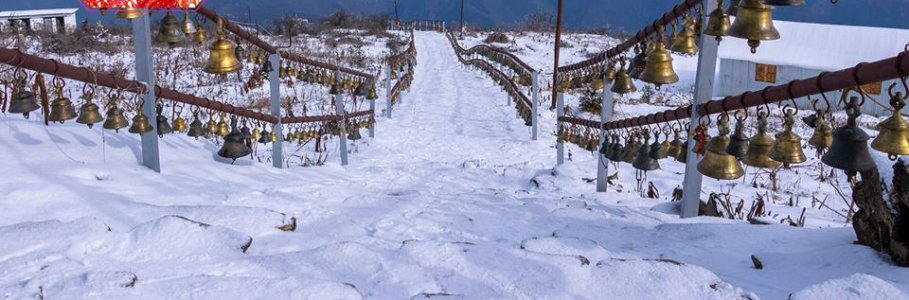
A Pathibhara Temple Tour from Kathmandu is an ideal journey for travelers looking to combine spirituality, mountain scenery, local culture, and a little adventure. Located in Taplejung in eastern Nepal, the sacred Pathibhara Devi Temple stands at an altitude of 3,794 meters and attracts pilgrims from different parts of Nepal and neighboring India. Unlike an ordinary temple visit, a Kathmandu to Pathibhara Tour involves a long scenic road journey followed by a high-altitude walk to the shrine. Along the way, travelers can experience the tea gardens of Ilam, eastern Nepal’s green hills, rural communities, mountain landscapes, and the distinctive culture of Taplejung. The temple is dedicated to Pathibhara Devi and is regarded as a powerful pilgrimage destination. The combination of religious faith and Himalayan surroundings makes a Pathibhara pilgrimage tour especially meaningful for families, devotees, nature lovers, and travelers who enjoy road trips with a spiritual purpose.

Why Visit Pathibhara Temple Nepal?

Pathibhara Temple Nepal is one of the prominent pilgrimage destinations in eastern Nepal. The shrine is located on a high Himalayan ridge in Taplejung, where the landscape changes dramatically from green middle hills to colder mountain terrain. The temple is particularly important to Hindu devotees, while the area also carries cultural and spiritual significance for local communities. Devotees visit Pathibhara Devi with the belief that sincere prayers and devotion can help fulfill their wishes. However, the attraction is not limited to religion. The journey itself is part of the experience. Visitors can enjoy views of forests, hills, tea gardens, villages, and Himalayan peaks during different sections of the trip.

The official Pathibhara Area Development Committee places the temple at 3,794 meters above sea level and notes that temperatures around the shrine can fall close to freezing.

Pathibhara Devi Temple: Spiritual Importance

The Pathibhara Devi Temple is widely known as a wish-fulfilling shrine. Devotees from Nepal and India travel to the temple to pray for prosperity, family well-being, success, and the fulfillment of long-held wishes. The destination is also known by the name Mukkumlung in the cultural traditions of the region. The temple’s setting adds another dimension to the pilgrimage because the shrine is surrounded by Himalayan landscapes rather than being situated in a busy urban area. For many visitors, reaching the temple after several hours of walking makes the experience even more meaningful. The physical journey becomes part of the pilgrimage.

Kathmandu to Pathibhara Tour: What Makes the Journey Special?

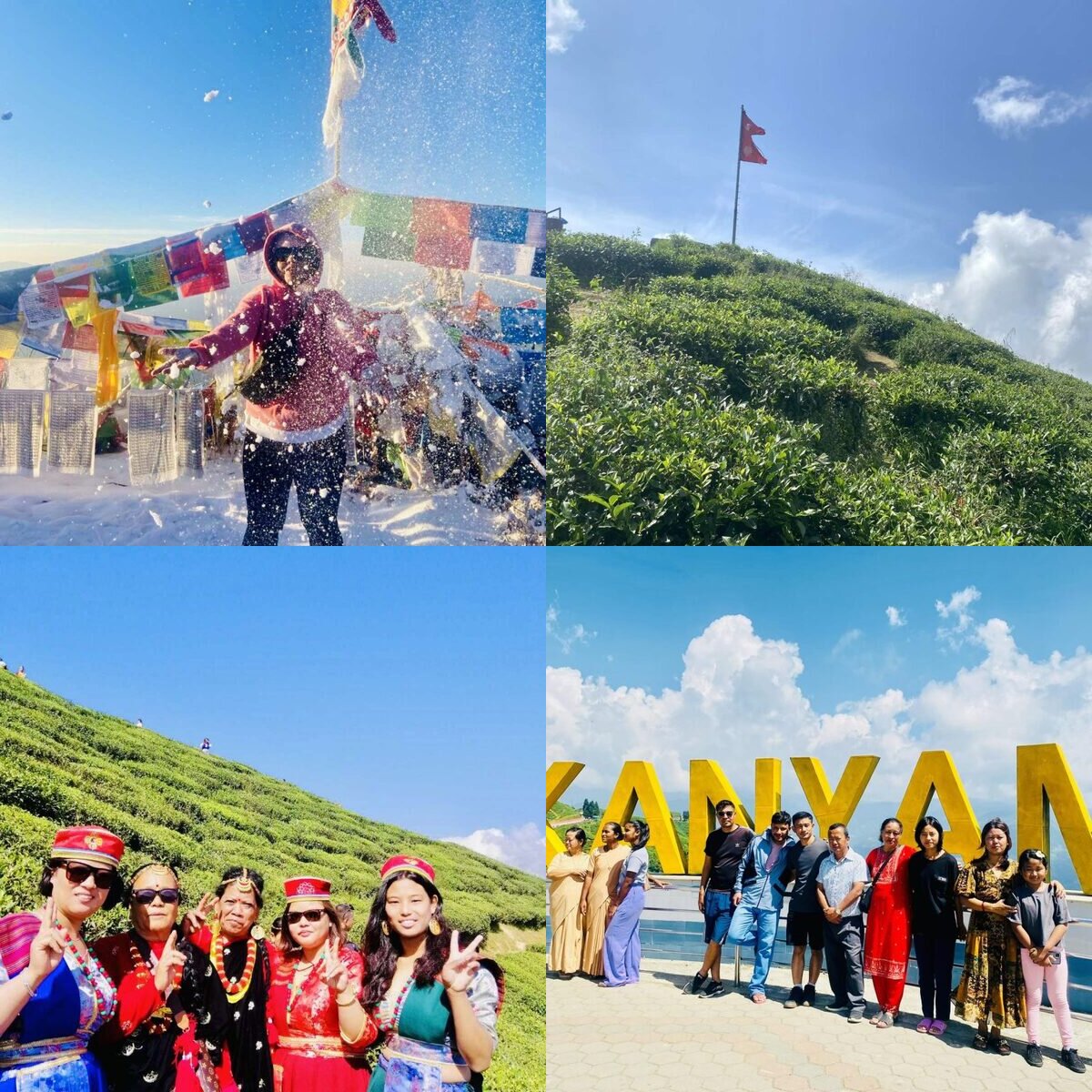
The Kathmandu to Pathibhara Tour is more than a direct trip to a temple. It is a multi-day eastern Nepal road adventure that combines spiritual travel, scenic landscapes, local culture, and sightseeing. The journey takes travelers from the busy streets of Kathmandu toward the peaceful hills of eastern Nepal, offering changing views throughout the route. As the trip continues, travelers pass through green hills, winding roads, tea gardens, local towns, and beautiful mountain landscapes before reaching the sacred Pathibhara Temple in Taplejung. This combination of pilgrimage and exploration makes the tour a memorable experience for families, groups, devotees, and travelers seeking a unique journey through eastern Nepal.

A typical journey can include destinations such as:

  • Kathmandu
  • Birtamod
  • Kanyam
  • Fikkal
  • Ilam
  • Taplejung
  • Thulo Phedi
  • Pathibhara Temple
  • Dharan or Itahari

The exact overnight stops can change depending on road conditions, group size, vehicle arrangements, and the selected package. One of the highlights is passing through Ilam, where travelers can see famous tea-growing landscapes. The scenery gradually changes as the journey continues toward Taplejung. This makes the trip suitable for people who want to combine a religious destination with sightseeing and an eastern Nepal road experience.

Related: Pathibhara Temple Tour Package

How to Reach Pathibhara Temple

If you are wondering how to reach Pathibhara Temple, there are several possible approaches. For a road-based pilgrimage, travelers generally reach Taplejung’s Phungling area first. From there, a vehicle can continue toward the roadhead near Kaflepati, depending on current road conditions. The final section is completed on foot. According to the Pathibhara Area Development Committee, the road distance from Phungling to Kaflepati is about 19 km, followed by approximately four hours of walking to the temple. Travelers can also reach the Taplejung/Suketar area by air when flights are operating and then continue by road toward the trekking point.

Therefore, your best route depends on whether you prefer a private vehicle, organized tour, public transportation, or a combination of flight and road travel.

Pathibhara Temple Route

The Pathibhara Temple route combines road travel and hiking, making the journey an exciting part of the overall pilgrimage experience. Travelers first cover a long scenic distance by road before continuing toward the higher-altitude area near the temple. Along the way, the landscape changes from busy highways and towns to peaceful hills, forests, winding mountain roads, and impressive Himalayan surroundings. The route also gives visitors opportunities to experience the culture and lifestyle of eastern Nepal. Once the vehicle journey ends near the trailhead, travelers continue on foot toward Pathibhara Temple. This combination of comfortable road travel and mountain walking makes the route memorable and adventurous.

A common approach is:

Kathmandu → Birtamod → Ilam/Fikkal → Taplejung → Kaflepati/Phedi → Pathibhara Temple

The final section requires walking at high altitude. The trail provides an opportunity to experience forests, mountain scenery, local settlements, and changing landscapes. For organized groups, staying overnight around the approach route can make the journey more comfortable. It also allows travelers to begin the temple walk early in the morning. The Pathibhara region is connected with trekking routes toward the Kanchenjunga area, adding further interest for adventure travelers. Nepal Tourism Board also identifies Pathibhara as an important pilgrimage destination and notes its difficult but rewarding accessibility.

Pathibhara Temple Altitude

The Pathibhara Temple altitude is 3,794 meters (12,444 feet) above sea level. Because the shrine is situated at a considerable elevation, visitors should not treat the final hike like an ordinary short temple walk. Weather can change quickly, and temperatures may become very cold, particularly in the morning, evening, and winter months. The official temple authority specifically notes that temperatures around Pathibhara can drop to around 0°C. For this reason, warm clothing, comfortable shoes, water, and adequate rest are important during a Pathibhara Darshan Tour.

Pathibhara Temple Best Time to Visit

The Pathibhara Temple best time to visit is generally during spring and autumn, when the weather is more suitable for traveling through the hills and walking toward the temple. These seasons offer relatively pleasant conditions, clearer views, and beautiful natural surroundings along the journey. Spring brings fresh greenery, blooming vegetation, and colorful landscapes, while autumn is known for clearer skies and attractive mountain views. Choosing the right season can make the Pathibhara Temple tour from Kathmandu more comfortable and enjoyable, especially because the journey includes long road travel and a high-altitude hike. Travelers should also consider local weather and road conditions before planning their visit.

Spring: March to May

Spring brings pleasant conditions, blooming vegetation, and generally favorable mountain scenery. It is a good season for travelers who want to combine the pilgrimage with nature and photography.

Autumn: September to November

Autumn is another excellent period because the weather is generally clearer and the mountain landscape can be particularly attractive. Nepal Tourism Board recommends autumn and spring for travel to the Pathibhara area, while its rural tourism material identifies March to June and September to November as favorable periods for the Pathibhara pilgrimage. Winter can bring cold conditions and possible snow around the higher sections. Monsoon travel may also be affected by rain, landslides, and road conditions.

Pathibhara Tour Package from Kathmandu

A Pathibhara Tour Package from Kathmandu is useful for travelers who want transportation, accommodation, meals, and the main travel arrangements organized in advance. Based on the package information provided by Hike On Treks, current package options include:

Package Option Price Per Person Duration Transportation
EV Package From NPR 14,500 4 Nights / 5 Days Electric Vehicle
Scorpio/Jeep Around NPR 16,000 4 Nights / 5 Days Scorpio / Private Jeep
Bus Package From NPR 12,500 4 Nights / 5 Days Tourist Bus

Because transportation prices can change according to vehicle availability, season, road conditions, and group size, travelers should confirm the final Pathibhara tour cost before booking. For groups, private transportation can also provide greater flexibility for stops, sightseeing, and the daily itinerary.

Suggested Pathibhara Temple Itinerary

A comfortable five-day plan can be arranged as follows:

Day 1: Kathmandu to Eastern Nepal

Begin the journey from Kathmandu and travel toward eastern Nepal. Depending on the selected route and road conditions, the overnight stay can be around Birtamod, Kanyam, or another suitable location.

Day 2: Eastern Nepal to Taplejung

Continue toward Taplejung through the scenic hills of eastern Nepal. The route provides changing landscapes and opportunities to experience local communities and tea-growing areas.

Day 3: Pathibhara Temple Darshan

Travel toward the roadhead and begin the hike to Pathibhara Devi Temple. Start early to allow enough time for the ascent, temple visit, prayers, photography, and return journey.

Day 4: Return Through Ilam or Dharan

After completing the pilgrimage, begin the return journey. Depending on the package, the route can include Ilam, Dharan, or Itahari.

Day 5: Return to Kathmandu

Continue the journey back to Kathmandu, completing the Pathibhara Temple Tour from Kathmandu.

The exact itinerary should remain flexible because road and weather conditions in eastern Nepal can influence travel time.

What to Pack for a Pathibhara Darshan Tour

Since the temple is located at 3,794 meters, packing properly is important for a comfortable and enjoyable Pathibhara Darshan Tour. The journey involves long road travel followed by walking through a higher-altitude environment, where temperatures and weather conditions can change quickly. Travelers should prepare for both cold and changing weather while keeping their luggage light enough to carry during the hiking section. Comfortable clothing, suitable footwear, personal essentials, and basic health supplies can make the journey easier. A well-prepared backpack also helps travelers enjoy the scenic route, sightseeing stops, and temple visit without carrying unnecessary items.

Essential Items to Pack

  • Warm jacket or fleece
  • Comfortable trekking or hiking shoes
  • Warm socks
  • Gloves and warm cap
  • Raincoat or other rain protection
  • Reusable water bottle
  • Personal medicines
  • Sunscreen and sunglasses
  • Basic toiletries
  • Small and comfortable backpack
  • Power bank and charging cable
  • Personal identification documents

It is also recommended to keep your luggage manageable because the final section toward Pathibhara Temple involves walking. Carry only the essentials in a small daypack and leave unnecessary heavy items in your main luggage whenever possible. Good footwear is particularly important because the trail can be uneven, while warm layers provide extra comfort during colder conditions at higher elevations.

Frequently Asked Questions About the Pathibhara Temple Tour

1. Where is Pathibhara Temple located?

Pathibhara Temple is located in Taplejung district in eastern Nepal at an altitude of approximately 3,794 meters. It is an important pilgrimage destination for Hindu and Buddhist devotees.

2. How can I reach Pathibhara Temple from Kathmandu?

Travelers can generally travel by road from Kathmandu toward eastern Nepal through destinations such as Birtamod, Ilam, and Taplejung. Vehicles can reach the approach area, after which travelers continue the final section on foot toward the temple.

3. How many days are required for a Pathibhara Temple Tour from Kathmandu?

A typical Pathibhara Temple Tour from Kathmandu can be planned for around 4 nights and 5 days. The exact duration can vary depending on the route, road conditions, sightseeing stops, and transportation arrangement.

4. What is the best time to visit Pathibhara Temple?

Spring and autumn are generally considered favorable seasons for visiting Pathibhara. March to May offers pleasant spring landscapes, while September to November generally provides favorable autumn conditions. Weather and road conditions should still be checked before departure.

5. Is there hiking on the Pathibhara Temple route?

Yes. The journey combines road transportation with a final walking section toward the temple. Travelers should wear comfortable hiking shoes and carry sufficient water and essential items for the walk.

6. What is the altitude of Pathibhara Temple?

Pathibhara Temple is situated at approximately 3,794 meters above sea level. Because of the elevation, travelers should walk at a comfortable pace and pay attention to how their body responds to the altitude.

7. How much does a Pathibhara Tour Package from Kathmandu cost?

The cost depends on the vehicle, group size, accommodation, season, and services included. Based on the package information provided by Hike On Treks, options have included prices starting around NPR 12,500 for bus travel, NPR 14,500 for an EV option, and around NPR 16,000 for a Scorpio/Jeep option per person. Prices can change, so travelers should confirm the current cost before booking.

8. What should I pack for a Pathibhara Darshan Tour?

Important items include warm clothing, comfortable hiking shoes, warm socks, gloves, a cap, rain protection, a water bottle, sunscreen, sunglasses, personal medicines, toiletries, a small backpack, and a power bank. Keeping luggage light is recommended because the final section involves walking.

9. Can families travel to Pathibhara Temple?

Yes. Families can plan a Pathibhara Pilgrimage Tour with suitable transportation and a comfortable itinerary. However, the high altitude and walking section should be considered when planning the trip for children, older travelers, or anyone who may find long journeys difficult.

10. Why is Pathibhara Temple popular?

Pathibhara is known for its religious significance and is regarded as an important pilgrimage destination in eastern Nepal. The combination of spiritual importance, high-altitude scenery, and the journey through the hills of eastern Nepal makes it attractive to both pilgrims and travelers.

Why Choose Hike On Treks?

Choosing Hike On Treks for your Pathibhara Temple Tour from Kathmandu helps make the journey more organized, comfortable, and convenient. We provide well-planned tour packages with transportation, accommodation, meals, sightseeing, and itinerary arrangements based on your travel needs. Our team understands the eastern Nepal route and can assist travelers with practical planning for the long road journey and high-altitude temple visit. Whether you are traveling with family, friends, a group, or for pilgrimage, Hike On Treks aims to provide reliable travel arrangements and a smooth experience from Kathmandu to Pathibhara and back.

A carefully planned journey makes the Pathibhara pilgrimage more comfortable, particularly when transportation, accommodation, meals, and the walking section need to be coordinated. Hike On Treks & Travels offers organized Pathibhara Tour Package from Kathmandu options for travelers who want to explore this sacred destination with planned transportation and accommodation. Whether your main purpose is Pathibhara Darshan, exploring eastern Nepal, enjoying the Himalayan scenery, or experiencing a spiritual road journey with family and friends, Pathibhara offers a distinctive combination of faith and adventure. For current availability, vehicle options, itinerary details, and the latest Pathibhara tour cost, contact Hike On Treks & Travels before planning your departure.