- Max Altitute:5200 m
- Price:USD 3200
- Difficulty:Hard
- Duration:25 Days
Kanchenjunga Circuit Trek
Kanchenjunga Circuit Trek stipends the opportunity to arrive on the base of the world’s third most elevated mountain. Kanchenjunga Circuit Trekking is lifetime opportunity to enjoy staggering way of life of neighbourhood socially enhanced Limbu people group.
Lying on the outskirts between eastern Nepal and the Indian territory of Sikkim, Kanchenjunga is revered as a tutelary soul by the Sikkimese. The mountain was first effectively handled by British climbers in 1955, however, they, similar to all who came after them, ceased barely shy of the summit keeping in mind local people’s conviction that the peak is consecrated.
| Contact | 014514568 (LandLine) 9851237317 (WhatsApp) 9851237317 (WhatsApp) 9851237317 (Viber) |
| Location | Bhagawanbahal, Kathmandu, Nepal. |
| Mail us at | hikeontrek@gmail.com |

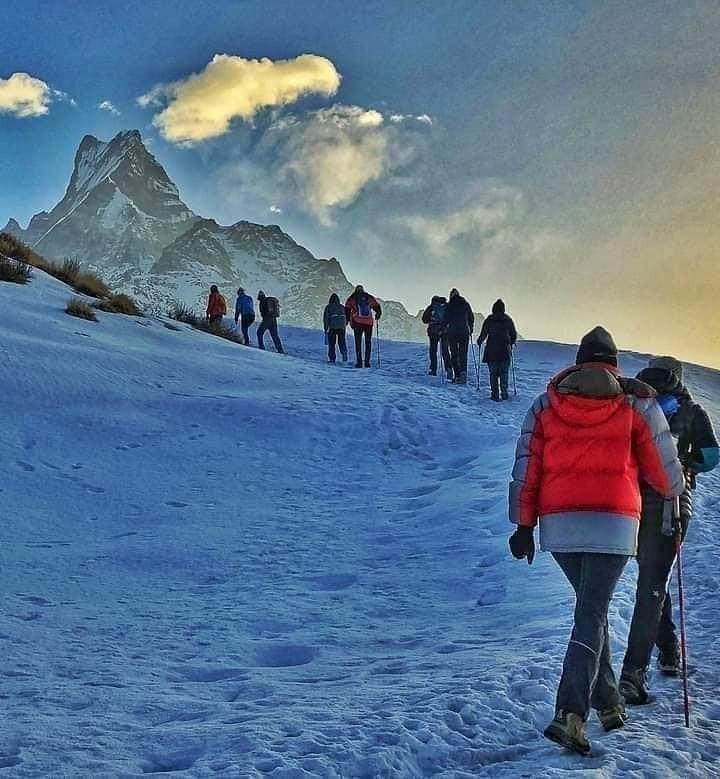
The out of the way opened for trekkers since 1988 starts from tropical swamps Suketar spreading out assorted scenes with the cheerful sight of Mt. Everest, Makalu, Lhotse, and Kanchenjunga. Meander along the jumble trail on the bank of the spouting Tamor waterway experiencing snow panthers, Himalayan wild bears, musk deer, and red pandas on a mind-boggling Kanchenjunga trek that keeps running amid rich rhododendron woods.
The best seasons for the trek are March-June and October-November for a clear look at snow-clad mountains like Mt. Kanchenjunga, Mt. Yalung Kang, Mt. Kumbhakarna, and so forth. We have a gathering of prepared and concentrated HR for the trekking and we guarantee you to give elevated requirements benefit amid your stay in Nepal.
Whenever planning for Kanchenjunga Trek, one thing that structs in mind is how much does it costs for the trek. Whichever trek are you planning in Nepal, cost depends on days, accommodation, food and extra expenses you do.
Note: If the client cancels the booking of the trek then the refund policy is as given:
• After booking The Tre: If an Individual Gets un-well and Cancels his/her trip Before 1 Day of the Scheduled Date Company will Charge 60% of the Trip amount as a Cancellation fund.
• After booking The Trek: If an Individual Cancels his/her trip Before Arriving here in Nepal Due to any reason Company will Charge 20% of the Trip amount as a Cancellation fund. (Note: if an individual Postpones the trip No Cancellation change will be taken)
• After the trip is started and if an individual cancels the trip in between Due to any region (Medical, Personal, etc.) no refund will be offered. The full Trip cost will be charged by the company.
The most traveled route for Kanchenjunga Circuit takes around 12 days to climb and 8 days to step down. So, it takes 20 days long to climb Kanchenjunga. However, trekker with past trekking experience could complete trek in as less as 15 days.
Short Kancehnjunga Trek is bit risky due to altitude and lack of tea houses. Hence, we recommend to follow our trek route to Kanchenjunga Circuit of 16 days for safe but adventurous experience.
The Kanchenjunga Circuit Tea House Trek is an extraordinary journey through one of Nepal’s most remote and stunning regions. Starting from Taplejung, trekkers wind through lush forests, charming villages, and terraced farmlands, gradually ascending towards the towering Kanchenjunga range. The trek takes you through diverse landscapes, from subtropical valleys to alpine meadows, offering glimpses of unique wildlife like red pandas and Himalayan tahr.
The trail is famous for its tea house accommodations, where trekkers stay in simple, family-run lodges. These tea houses provide a chance to experience the hospitality of local Sherpa and Limbu communities, with meals featuring traditional Nepali dishes such as dal bhat and momos.
As you approach higher altitudes, the views become truly breathtaking, with panoramic vistas of Kanchenjunga’s majestic peaks, glaciers, and alpine lakes. The trek also includes visits to remote Buddhist monasteries, allowing trekkers to experience the spiritual essence of the region.
Although challenging, the Kanchenjunga Circuit offers a sense of adventure in a less-traveled part of Nepal, combining spectacular natural beauty, cultural immersion, and a deep sense of tranquility. It’s a must-do for those seeking a more off-the-beaten-path trekking experience.
I must not lie to you saying everyone can do this trek to get the business. I am being honest and this trek is not for everyone. Kanchenjunga Trek is one of the difficult trek in Nepal. It is not for first time trekkers and not for those looking a luxury trek.
You won’t find crowded tea houses buzzing with trekkers here. There are no laminated menus offering pizza or momos at high altitude, and definitely no frothy cappuccinos being served before sunrise.
Instead, the journey through the Kanchenjunga region offers something far more raw and real. You’ll stay in simple wooden lodges or sleep in the homes of welcoming villagers. In more remote areas, it’s just you, your tent, and the vast stillness of the mountains. Facilities are basic, and comfort takes a back seat—but that’s part of the experience.
This is a place where nature sets the rhythm. Days begin early, with the chill of mountain air and the slow light of dawn spilling over jagged peaks. Meals are hot and hearty, often cooked over a wood fire. Communication is sparse, and electricity—when available—is a luxury.
The soundtrack of your days comes from the land itself: the constant roar of glacial rivers, the soft whisper of pine forests, the occasional call of a mountain bird, or the gentle clinking of yak bells echoing down a distant trail.
It’s not for everyone. But for those seeking solitude, raw beauty, and a deeper connection to the Himalayas, Kanchenjunga offers a kind of quiet magic that’s hard to find anywhere else.
Here’s a comprehensive 20 days itinerary for the Kanchenjunga Circuit Trek, one of Nepal’s most remote and beautiful treks, circling both the North Base Camp (Pangpema) and South Base Camp (Oktang) of Mt. Kanchenjunga, the world’s third-highest peak (8,586m).
The Kanchenjunga Base Camp Trek is an incredible adventure that takes you deep into the eastern Himalayas, circling the majestic Kanchenjunga, the third-highest mountain in the world (8,586m). This trek offers a blend of natural beauty, cultural richness, and a sense of remote isolation.
Best Season for Kanchenjunga Base Camp Trek: March-May or September-November.
Kanchenjunga Base Camp Trek Difficulty: Moderate to strenuous, with long days of trekking and high-altitude exposure.
Permits Required: Kanchenjunga Restricted Area Permit, TIMS.
This trek offers an off-the-beaten-path experience, with spectacular mountain views and an authentic Himalayan journey.
Specific Language Guide for City Tour (70 $) Per Day.
English Guide for city Tour (50$) Per Day.
Trekking Specific Language Guide (50$) Per Day.
English Guide for Trekking (35$) Per Day.
Potter Guide for Trekking (25$) Per Day.
Potter/Support Staff for trekking (20$) Per Day
Day 1: Arrival at Tribhuvan International Airport (TIA) Kathmandu and transfer to hotel
Day 2: Ready to trek Describe
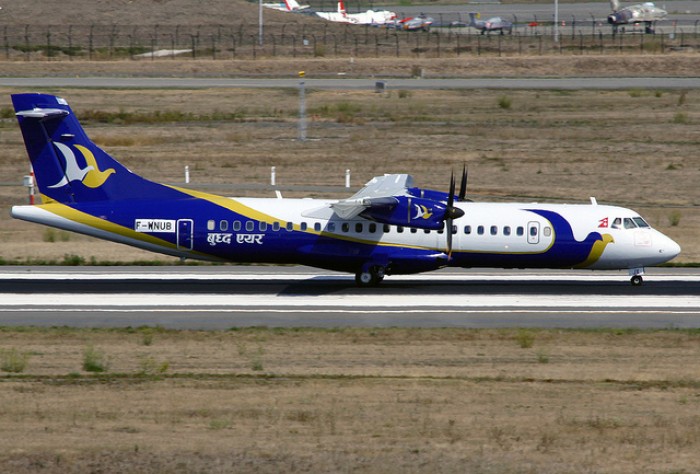
Day 3: Fly to Taplejung and trek to Mitlung (996m)
From Taplejung, on your Kanchenjunga trek you will trek to Mitlung accompanying beautiful pastures and some other small villages on the way. Finally, you will reach Mitlung which is located beside Hangdewa river. Stay overnight.
Day 4: Trek to Chiruwa (1,270m)
From Mitlung, today on your second day of Kanchenjunga trek you will trek to Chiruwa via sinwa. Chiruwa is inhabitation of Limbu cast Nepalese people. This region is lower Kanchenjunga and is popular as ” Limbu cultural trekking trail”. You will explore around the village and stay overnight.
Day 5: Trek to Sekathum (1,660m)
From Chiruwa, you will trek to Kanchenjunga national park following the Tamor river Trail. After updating trekking permits and fulfilling other formalities you will trek to Sekathum. Stay overnight.
Day 6: Trek to Amjilossa (2,510m)
From Sekathum, you will trek to Amjilossa. With frequent step up and down on rocky trail accompanying with series of waterfalls on the way you will finally reach village of Amjilossa. Stay overnight.
Day 7: Trek to Gybala (2,730m)
From Amjilossa, starting your trail beside riverbank and crossing several Bamboo, rhododendron and fir forests you will finally reach Gybala. Similarly, you will notice several waterfalls and beautiful natural scenery. In addition to that, Gybala resembles Tibet since, the settlements look alike as in Tibet. In a like manner, the lifestyle of people are almost same as that of Tibet. Stay overnight.
Day 8: Trek to Ghunsa (3,595m)
Ghunsa is the Largest settlement in Kanchenjunga region. Today, you will trek from Gybala to Ghunsa. Ghunsa is more developed since, there are local hydropower plants and people have built several monasteries as well. The region is mostly inhabitation of Sherpas and you will find standard Hotels and wide variety of foods in Ghunsa. Stay overnight
Day 9: Acclimatisation day Ghunsa
Today, you will spend your day exploring Ghunsa village. Moreover, you will hike up to Lapsang La for acclimatization process. Overnight at Ghunsa.
Day 10: Trek to Khambachen (4,100m)
Following the trail north to the ridge of river you will head towards Khambachen. The trail is landslide prone area so following the advice of your trek guide is strongly advised. Trekking for about six Hours you will finally reach Khambachen. Stay overnight.
Day 11: Acclimatisation day at Khambachen
On this day, you will explore around Khambachen and adapt yourself to the environment. You will be hiking up to gain some altitude. Stay overnight.
Day 12: Trek to Lhonak (4,785m)
Trekking via Ramtang Monastery and crossing Ramtang river you will head towards Lhonak. While on your trail today you will have to cross Landslide prone area. So following the advice of your trek guide is strongly advised. You will finally reach the wide valley of Lhonak. Stay Overnight.
Day 13: Trek to Pang Pema(5200m) (Kanchenjunga North Base Camp)
Pang Pema is the flat grassy Northern base camp of Kanchenjunga. Today, you will trek for six hours and reach Pang Pema crossing several rocky trail and landslide prone areas. Stay overnight at Pang Pema.
Day 14: Trek to Khambachen
Today, you will be follow path retracing back to Khambachen from Pang Pema. It will be a descend so you can comfortably complete your trek back to Khambachen. Stay overnight.
Day 15: Trek to Ghunsa
From Khambachen you will trek to Ghunsa. After reaching Ghunsa you can celebrate your sucessful ascend of Kanchenjunga north base camp or you can spend rest of the day at Guest house. Overnight at Ghunsa.
Day 16: Trek to Sele La camp (4,130m)
Sele La pass is the pass in between Kanchenjunga North base camp and Kanchenjunga south base camp. Today, you will trek from Ghunsa to Sele La. You will stay overnight at bottom of Sele La.
Day 17: Trek to Cheram(3868m), over Sele La (4,720m)
Today, Crossing the Sele La pass, you will trek to Cheram. From the top of Sele La pass you will see the spectacular view of Kanchenjunga southern valley. You will stay overnight at Cheram.
Day 18: Trek to Ramche (4,610m) and back to Cheram
Crossing, Yalung glacier you will hike up to Ramche. Ramche is Kanchenjunga south base camp and it is also called Yalung base camp. After spending some time viewing Kanchenjunga south face you will trek back to Cheram. Spend overnight at Cheram.
Day 19: Trek to Tortung (2,980m)
Crossing Simbuwa river you will descend down to Tortung from Cheram. It will take about six hours to trek from Cheram to Tortung. Stay overnight.
Day 20: Trek to Yamphuding (1,692m)
From Tortung, you will trek to Yamphuding. Yamphuding is the largest village in the southern side of Kanchenjunga. Yamphuding is also a developed village. There are police posts and school in Yamphuding. Likewise, A branch of governmental bank is there at Yamphuding. Stay overnight.
Day 21: Trek to Yangpang
Trekking for 6-7 Hours, you will reach Yangpang from Yamphuding. Crossing the bridge and following Kagbeni khola you will finally reach Yangpang. On the way, you will cross several small villages as well. Stay overnight.
Day 22: Trek to Taplejung
From Yangpang, you will trek to Taplejung. You can trek to Taplejung with an ease and on the way you will be enjoying the spectacular view of the natural beauty on that region.
You may be able to depart same day or stay overnight
Day 23: Depart Kathmandu
Day 24: Rest day at Kathmandu
Day 25: Final departure
1. What's Includes
2. Doesn't Includes

Designed & Developed By Ntech Innovation